Optimize your tourism content — attract international visitors.
Why Mesoropi Is Ideal for Small Group Travel
Ideal for:
Tour operators | Small group travel | Cultural & mixed itineraries

Mesoropi
Small group travel is one of the fastest-growing segments in tourism. Travellers increasingly seek authentic, flexible experiences that combine culture, nature, and local interaction.
Mesoropi, located on Mount Pangaion, offers exactly this type of experience.
A Compact Destination with Diverse Experiences
Within a short distance, Mesoropi offers:
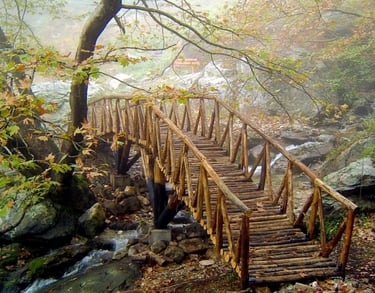
• traditional architecture (stone houses, narrow lanes)
• cultural heritage and local stories
• water-rich natural environment
• easy access to nature trails
👉 This allows operators to create multi-layered experiences without complex logistics
The “Water Village” Advantage
What makes Mesoropi stand out is its strong water connection.
Visitors experience:
• streams and springs throughout the village
• shaded walking paths
• natural cooling during summer months
👉 This creates a high-comfort environment, especially for:
✔ seniors
✔ families
✔ mixed-ability groups
Flexible, Modular Experience Design
Mesoropi supports a modular structure, allowing itineraries to be adapted easily.
Operators can combine:
• village walks
• cultural mini-tours
• local food experiences
• short nature walks
• full hiking routes
👉 This flexibility increases:
✔ customer satisfaction
✔ itinerary adaptability
✔ market reach
A Strong Alternative to Saturated Destinations
Unlike high-traffic locations, Mesoropi offers:
• authenticity
• calm environment
• real local interaction
👉 Particularly attractive for:
✔ Northern European markets
✔ experiential tourism
✔ off-season travel
Mesoropi is not just a stop — it is a complete, adaptable travel experience.
How to Design Flexible Travel Experiences for Mixed Travel Groups
Ideal for:
Tour operators | Small group travel | Cultural & mixed itineraries


Designing itineraries
Designing itineraries for mixed travel groups is one of the biggest challenges in modern tourism.
A single group may include:
• active travellers
• seniors
• culture-focused guests
• families
👉 A fixed itinerary often fails to meet these diverse expectations.
The Problem with Traditional Itineraries
Classic travel programs are:
• rigid
• uniform
• difficult to adjust
This often leads to:
❌ fatigue
❌ low engagement
❌ inconsistent satisfaction
The Modular Approach (A Smarter Model
A modular itinerary divides the experience into flexible components.
Examples:
• cultural exploration
• gastronomy
• light nature activities
• more demanding experiences
👉 Each module can be:
✔ added
✔ removed
✔ adapted
Real Example from Northern Greece
Destinations like Mesoropi are ideal for this model.
A single group can:
• enjoy a relaxed village walk
• participate in a local food experience
• choose between light or more active options
👉 This creates personalised experiences without operational complexity
Benefits for Tour Operators
The modular model offers:
✔ flexibility in program design
✔ better group management
✔ higher customer satisfaction
✔ easier adaptation to different markets
Flexible design is no longer optional — it is essential.
A Shift in Thinking
Instead of asking:
“What is the fixed program?”
👉 Ask:
“What options can this destination offer?”
Why Translation Is Not Enough in Tourism Content
Ideal for:
Hotels | Tourism businesses | Travel agencies

Tourism translation
Many tourism businesses invest in translating their content into multiple languages.
However, translation alone is often not enough to attract and convert international travellers.
The Limitation of Direct Translation
A direct translation may be:
✔ linguistically correct
But often:
❌ lacks engagement
❌ misses cultural nuance
❌ fails to inspire
What International Travellers Expect
Different markets respond to different communication styles.
For example:
• Dutch travellers → clarity, structure, practicality
• Spanish travellers → emotion, storytelling, atmosphere
👉 The same message cannot work equally in all markets.
From Translation to Transcreation
Transcreation goes beyond translation.
It involves:
• adapting tone and style
• adjusting cultural references
• reshaping the message
👉 The goal is not to translate words — but to recreate the experience
Why It Matters for Your Business
Effective tourism content:
✔ builds trust
✔ attracts attention
✔ drives bookings
Poorly adapted content can lead to:
❌ low engagement
❌ misunderstandings
❌ lost opportunities
Translation is the first step — not the final one.
A Competitive Advantage
Businesses that invest in high-quality, adapted content:
• stand out internationally
• communicate professionally
• connect more effectively with their audience
Follow
Developing travel concepts for international tourism collaborations.
© 2025 LinguaVista . All rights reserved.